Magnet Chain Watch Guide: Design, Fit, and Practical Features
The human wrist is a remarkable structure. Eight small carpal bones, multiple ligaments, tendons, nerves, and blood vessels all working in a compact space that bends, rotates, grips, lifts, and stabilises. It performs thousands of movements each day, often without thanks. Until discomfort sets in.
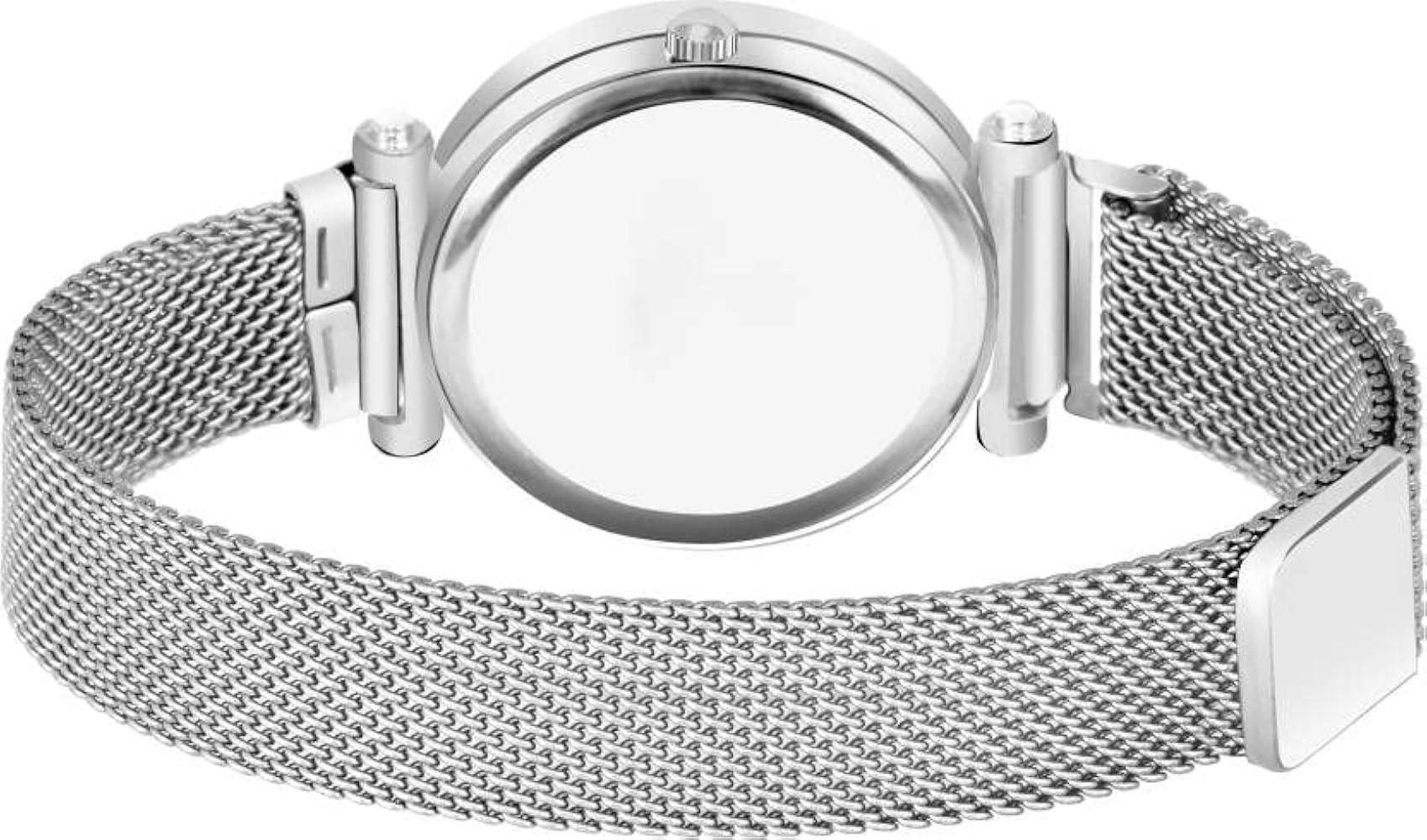
For adults managing stiffness, repetitive strain, or general joint fatigue, wearable magnetic accessories have become a popular part of natural wellness routines. One option drawing attention is the magnet chain watch. It combines timekeeping with embedded magnetic elements, designed to sit directly against the skin throughout the day. Here is a closer look at the design, fit, and practical features, supported by what we know about anatomy and magnetic exposure.
Understanding the Magnetic Component
Static magnets used in wellness products typically range between 500 and 3,000 gauss in strength. A magnet chain watch usually contains small, strategically placed magnets within each link of the bracelet. The theory behind magnetic accessories is based on localised magnetic field exposure. While scientific evidence remains mixed, some clinical studies suggest that static magnetic fields may influence microcirculation and alter how pain receptors respond to stimulation in certain individuals.
It is important to clarify that magnetic watches are not medical devices and are not approved to treat specific diseases. However, many users report perceived improvements in wrist comfort and reduced mild stiffness when worn consistently. From a physiological standpoint, the wrist has a dense network of blood vessels and superficial nerves. Continuous contact with magnetic elements may provide low level stimulation to this region. Whether the effect is circulatory, neurological, or placebo driven can vary from person to person. What matters most is safe, consistent use within realistic expectations.
Design Features That Influence Effectiveness
The effectiveness of a magnet chain watch depends heavily on its construction.
1. Magnet Placement
Magnets should be evenly distributed along the underside of the bracelet to ensure consistent skin contact. Gaps reduce exposure and may limit any potential benefit.
2. Material Quality
High grade stainless steel is commonly used due to its durability, corrosion resistance, and hypoallergenic properties. Poor quality metals may irritate sensitive skin, especially in warmer Australian climates.
3. Weight Distribution
An overly heavy watch can strain the wrist joint. A well balanced design supports natural wrist movement without adding mechanical stress.
For individuals already using products such as magnetic wrist support, consistent surface contact and correct positioning are familiar principles. The same applies here.
The Importance of Proper Fit
Fit directly affects comfort and performance.
A properly fitted magnet chain watch should:
- Sit snugly without restricting circulation
- Avoid sliding excessively during wrist movement
- Maintain steady contact with the skin
Many designs include removable links to customise sizing. This is particularly beneficial for seniors, whose joint swelling may fluctuate throughout the day. An ill fitting bracelet not only reduces magnetic contact but can increase strain on the extensor tendons, potentially worsening discomfort rather than supporting it.
Practical Features Beyond Magnetism
A quality magnet chain watch must function effectively as a watch first.
Look for:
- Reliable quartz movement for accurate timekeeping
- Scratch resistant mineral or sapphire glass
- Water resistance suitable for daily activities
- Secure clasp mechanisms to prevent accidental loss
Durability is especially important for active lifestyles. Gardening, walking, gym sessions, or home maintenance all place stress on wrist accessories. For adults over 50, readability also matters. A clear dial with high contrast markings reduces eye strain.
Who May Benefit?
Individuals experiencing:
- Mild wrist stiffness
- Repetitive strain from typing or tool use
- General joint fatigue
- Early age related joint discomfort
may consider incorporating a magnet chain watch into a broader natural pain management strategy.
It can complement stretching routines, ergonomic adjustments, strengthening exercises, and supportive products such as magnetic wrist support braces during higher load activities. However, individuals with pacemakers, insulin pumps, or implanted medical devices should consult a healthcare professional before using magnetic accessories.
A Balanced Approach to Natural Support
Magnet chain watches sit at the intersection of lifestyle and wellness. They offer continuous, passive exposure without disrupting daily routines. That convenience is part of their appeal. They are not miracle solutions. They are wearable tools designed to support comfort while maintaining style and practicality.
If you are exploring drug free approaches to everyday wrist support, review reputable options from established Australian retailers such as Dick Wicks. Prioritise quality materials, proper fit, and realistic expectations. Small, consistent supports often make the biggest difference over time.
FAQs
1. Are magnet chain watches medically proven?
Ans. Research on static magnetic therapy shows mixed results. Some studies suggest potential circulation and pain perception benefits, but they are not recognised medical treatments.
2. How strong are the magnets typically used?
Ans. Most magnetic accessories use magnets ranging between 500 and 3,000 gauss.
3. Can they replace medical treatment for wrist pain?
Ans. No. They should be viewed as complementary wellness accessories, not substitutes for professional medical care.
4. How long should I wear one daily?
Ans. Many users wear them throughout the day for consistent exposure, provided they feel comfortable.
5. Are they safe for everyone?Ans. They are generally safe for most adults, but individuals with pacemakers or implanted medical devices should seek medical advice before use.