Common Mistakes to Avoid When Buying Falls Prevention & Alarms
Falls are one of the leading causes of injury among older adults and people with mobility challenges. As awareness grows, so does the demand for reliable Falls Prevention & Alarms that can help individuals maintain independence while giving families peace of mind. However, buying the right solution isn’t always straightforward.
Many people rush into a purchase without fully understanding their needs, the available technology, or how these systems fit into daily life. The result? Devices that go unused, offer limited protection, or fail when they’re needed most.
At Mobility and Wellness, we’ve seen firsthand how choosing the right falls prevention solution can make a real difference. Below are the most common mistakes people make when buying Falls Prevention & Alarms—and how to avoid them.
Mistake 1: Focusing Only on Alarms Instead of Prevention
One of the biggest mistakes is viewing falls prevention and alarms as the same thing. While alarms are crucial for alerting caregivers after a fall, true safety starts with prevention.
Many buyers invest in an alarm system but overlook tools that reduce fall risk in the first place, such as:
- Non-slip flooring solutions
- Grab rails and bathroom aids
- Proper lighting and motion sensors
- Mobility aids that improve balance and stability
Falls Prevention & Alarms work best as a combined strategy, not a single product. An alarm alone doesn’t stop a fall—it only responds after it happens.
Mistake 2: Choosing Devices Without Automatic Fall Detection
Not all alarms are created equal. A common oversight is purchasing devices that require the user to press a button after falling.
In real-life situations, this can be problematic. After a fall, a person may be:
- Disoriented
- Injured
- Unconscious
- Unable to reach or press the button
Modern Falls Prevention & Alarms often include automatic fall detection, which senses sudden movements or impacts and triggers an alert automatically. Skipping this feature can significantly reduce the effectiveness of the system.
Mistake 3: Ignoring Comfort and Wearability
An alarm is only useful if it’s worn consistently. Many people buy bulky or uncomfortable devices that quickly end up sitting on a bedside table instead of being worn daily.
Common wearability issues include:
- Heavy pendants that strain the neck
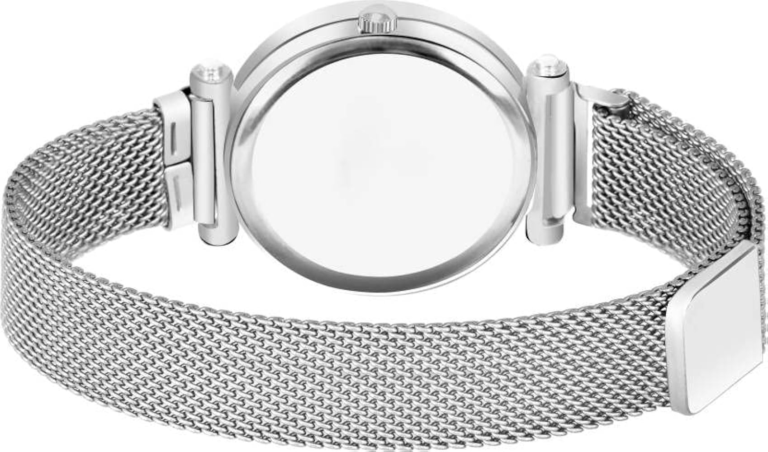
- Wristbands that irritate the skin
- Devices that look overly medical or stigmatizing
Falls Prevention & Alarms should feel natural and comfortable. Lightweight, discreet designs increase the likelihood that the user will actually wear the device, both at home and outdoors.
Mistake 4: Not Considering Lifestyle and Daily Routines
Every individual has different habits, activity levels, and environments. A major mistake is buying a one-size-fits-all solution without considering how the device will be used.
For example:
- Active users may need alarms that work outdoors and on the go
- Home-based users may benefit more from in-home monitoring systems
- Some people require waterproof devices for shower use
- Others need long battery life due to infrequent charging habits
Falls Prevention & Alarms should align with real daily routines, not idealized ones. Ignoring lifestyle factors often leads to frustration and poor adoption.
Mistake 5: Overlooking Range and Connectivity Limitations
Another common error is assuming all alarms work everywhere. Some systems rely on:
- A limited base-station range
- Home Wi-Fi connections
- Mobile networks with variable coverage
If the user moves outside the supported range, the alarm may not function properly. This is especially important for people who:
- Spend time in the garden
- Visit neighbors regularly
- Go for walks or run errands
When selecting Falls Prevention & Alarms, it’s essential to understand where and how alerts are transmitted, and whether coverage matches the user’s environment.
Mistake 6: Underestimating the Importance of Response Time
An alarm is only as good as the response it triggers. Many buyers focus on the device itself but fail to consider who responds to the alert and how quickly.
Delays can happen if:
- Alerts go to unattended phones
- Monitoring services are slow to respond
- Emergency contacts are unavailable
Reliable Falls Prevention & Alarms should ensure fast, dependable communication—whether alerts go to family members, caregivers, or professional monitoring services. Response speed can significantly impact recovery and outcomes after a fall.
Mistake 7: Choosing Price Over Reliability
Budget concerns are understandable, but choosing the cheapest option can be a costly mistake in the long run. Low-cost alarms may:
- Have poor build quality
- Trigger false alarms
- Fail to detect real falls
- Stop working after short-term use
Falls Prevention & Alarms are safety devices, not convenience gadgets. Reliability, accuracy, and durability should always take priority over upfront savings.
Mistake 8: Ignoring Battery Life and Maintenance
Devices that require frequent charging or battery replacement often end up unused. Many falls occur precisely when devices are forgotten, uncharged, or turned off.
Common maintenance-related issues include:
- Short battery life
- Complicated charging systems
- No low-battery alerts
When choosing Falls Prevention & Alarms, it’s important to consider how easy the device is to maintain, especially for older users who may struggle with small connectors or complex instructions.
Mistake 9: Failing to Involve the User in the Decision
Sometimes family members purchase alarms without fully involving the person who will actually use them. This can lead to resistance, discomfort, or outright refusal to wear the device.
Falls Prevention & Alarms should empower users, not make them feel monitored or controlled. Including them in the decision:
- Improves acceptance
- Ensures comfort and confidence
- Builds trust in the technology
A device that the user feels positive about is far more likely to be used consistently.
Mistake 10: Not Planning for Changing Needs
Mobility and health needs evolve over time. A system that works today may not be sufficient in a year or two.
Many people make the mistake of buying Falls Prevention & Alarms without considering:
- Progression of mobility limitations
- Increased need for caregiver involvement
- Changes in living arrangements
Choosing flexible, upgradeable solutions helps ensure long-term safety without needing frequent replacements.
Why Thoughtful Selection Matters
Falls are not just physical events—they can affect confidence, independence, and quality of life. The right Falls Prevention & Alarms provide more than emergency alerts; they offer reassurance, dignity, and ongoing support.
At Mobility and Wellness, the focus is on solutions that balance safety with independence. Understanding these common mistakes helps individuals and families make informed decisions that genuinely improve daily living rather than adding stress or complexity.
Conclusion
Buying Falls Prevention & Alarms is not a decision to rush. Avoiding common mistakes—such as prioritizing price over reliability, ignoring lifestyle needs, or overlooking prevention—can make a meaningful difference in safety and confidence.
A well-chosen system should feel like a natural part of daily life, quietly working in the background while allowing individuals to stay active and independent. With careful consideration and the right guidance, Falls Prevention & Alarms can become a powerful tool for long-term wellbeing.
Disclaimer:
The information provided in this article is intended for general informational and educational purposes only. It does not constitute medical, health, or professional advice. Falls prevention needs and alarm suitability vary based on individual health conditions, mobility levels, and living environments. Readers are advised to consult a qualified healthcare professional, occupational therapist, or mobility specialist before purchasing or using any Falls Prevention & Alarms. Mobility and Wellness is not responsible for any decisions made or actions taken based on the content of this article.