Post-Surgery Recovery: Is a Hernia Support Belt Helpful?
Recovery after hernia surgery can feel deceptively simple. The incision is small. You are told to rest. A few weeks and you should be back to normal. Yet many people are surprised by the lingering tenderness, the pulling sensation when standing, or that quiet worry that something might “give” if they move the wrong way. That is where a hernia support belt often enters the conversation. But is it genuinely helpful, or just another accessory collecting dust in the cupboard?
Why the Abdominal Area Needs Extra Care
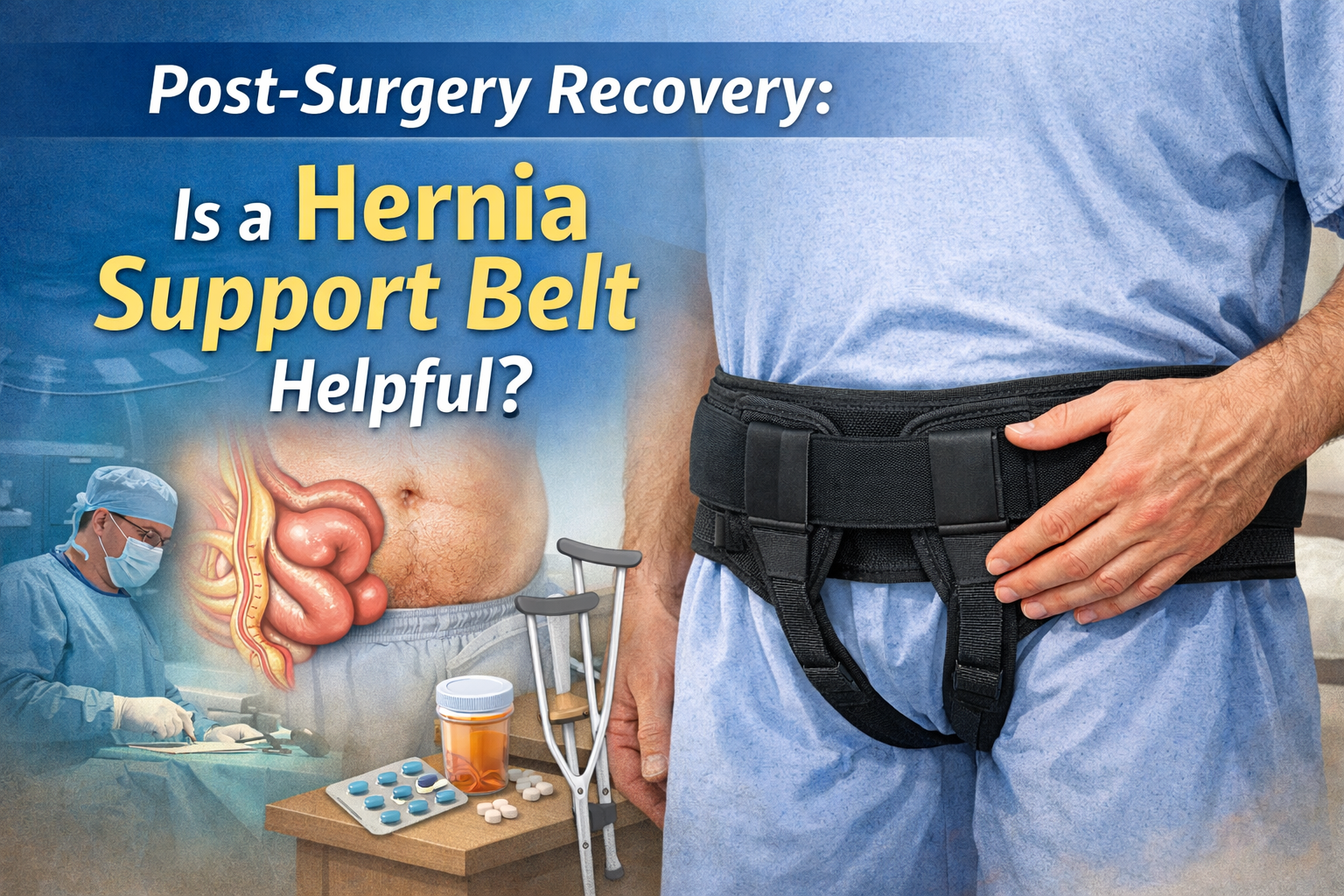
A hernia occurs when internal tissue pushes through a weakened section of muscle. Surgery repairs the defect, sometimes with mesh reinforcement, but your abdominal wall still needs time to rebuild strength. During those early weeks, everyday actions such as coughing, standing from a chair, or lifting groceries create intra abdominal pressure. That pressure can feel uncomfortable. For some people, it sparks anxiety. A properly fitted hernia support belt provides gentle compression over the surgical site. The goal is not to “hold everything in place” permanently. Instead, it offers stability and reduces strain while tissues heal. Think of it like scaffolding around a building under repair. It is temporary support, not a lifelong crutch.
How a Hernia Support Belt Helps During Recovery
1. Reduces Strain and Discomfort
Mild compression can decrease the pulling sensation around the incision. Many patients report feeling more confident walking or returning to light activity when supported.
2. Encourages Safe Movement
When you feel secure, you move more naturally. That matters. Gentle mobility promotes circulation, which supports healing and reduces stiffness.
3. Supports Daily Activities
Simple tasks such as driving or light housework can feel daunting post surgery. Wearing a hernia support belt can provide reassurance during these early milestones.
It is worth noting that surgeons often recommend support garments selectively. Not everyone needs one. If your hernia was small and recovery is smooth, your doctor may advise focusing on gradual strengthening instead.
Choosing the Right Support Matters
Not all belts are equal. A good hernia support belt should:
- Fit snugly without digging into the skin
- Provide targeted compression over the surgical area
- Be breathable for Australian conditions
- Allow easy adjustment as swelling reduces
Comfort is critical. If it rides up, pinches, or restricts breathing, it will end up in a drawer.
At Bodyassist, recovery products are designed with real people in mind. The same attention given to items like the Suspensory Testicular Supporter for groin support, walker ankle stabilisers for mobility assistance, and heel pad shoe inserts for shock absorption reflects an understanding that comfort drives compliance. If something feels good to wear, you will actually use it.
When Should You Avoid a Hernia Support Belt?
Support belts are helpful in many cases, but they are not a substitute for medical advice. If you notice increased swelling, sharp pain, redness, or fever, contact your healthcare provider promptly. A belt should never mask a complication.
Also, long term reliance without strengthening the abdominal muscles is not ideal. As healing progresses, gentle core exercises guided by a health professional help restore stability naturally.
A Balanced Approach to Recovery
Healing is rarely dramatic. It is gradual. One comfortable walk. One pain free sit to stand. One small win at a time. A hernia support belt can play a practical role in that journey, offering reassurance and stability while your body does what it does best, repair itself. Combined with appropriate rest, guided movement, and quality support products, it becomes part of a thoughtful recovery plan rather than a quick fix.
If you are navigating post surgery discomfort, explore Bodyassist’s range of clinically informed supports designed to help you move with confidence again. Your recovery deserves more than guesswork.
FAQs
1. How long should I wear a hernia support belt after surgery?
Ans. It depends on your surgeon’s advice. Many people use it for a few weeks during light activity, gradually reducing wear as strength improves.
2. Can a hernia support belt prevent recurrence?
Ans. It provides temporary support but does not replace proper healing and muscle strengthening.
3. Is it safe to sleep in a hernia support belt?
Ans. Generally, it is worn during the day. Sleeping in it should only be done if recommended by your healthcare provider.
4. Will it weaken my abdominal muscles?
Ans. Short term use does not cause weakness. Long term dependence without exercise may delay natural strengthening.
5. Can I exercise while wearing a hernia support belt?
Ans. Light walking is usually fine. Strenuous exercise should only begin once cleared by your doctor.