The Ultimate Guide to Designing Stunning Posters
In a world where visual communication dominates, the power of a well-crafted poster cannot be underestimated. Whether you’re promoting an event, sharing educational content, or simply decorating your space, a poster can capture attention instantly. But creating a design that’s both eye-catching and effective isn’t always straightforward. Many people struggle with layout, color choices, and readability, often settling for designs that don’t truly engage their audience. The key lies in understanding the principles of design, leveraging the right tools, and knowing how to present your message clearly and creatively.
Why Poster Design Matters More Than Ever
Think about the last time a poster caught your eye. Perhaps it was a local concert announcement or a motivational quote in a coworking space. What made it stand out? Chances are, it wasn’t just the text—it was the combination of color, imagery, and layout that made it memorable. Good poster design goes beyond aesthetics; it’s about communication. Every element, from typography to spacing, plays a role in ensuring your audience absorbs the message you want to convey.
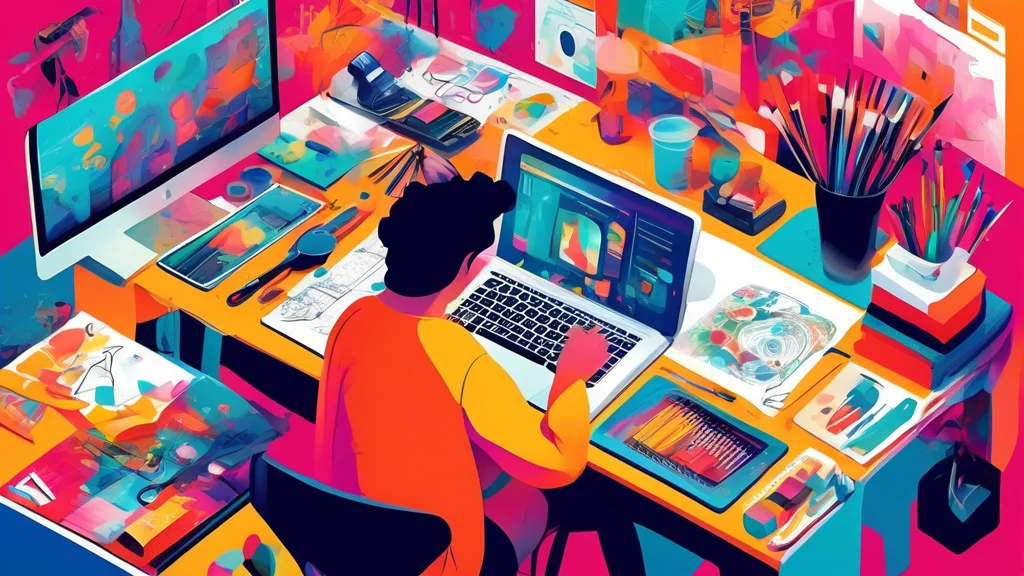
For those who want to dive straight into creating polished visuals, starting with a printable poster can be an excellent way to experiment. Using templates as a foundation allows you to focus on personalization and creativity without getting lost in technicalities. From selecting complementary colors to choosing the right fonts, these tools make professional-quality design accessible to anyone, whether you’re a student, marketer, or small business owner.
Practical Tips for Effective Poster Design
1. Keep It Simple and Focused
Overloading your poster with information can overwhelm viewers. Instead, prioritize a single core message. Use a strong headline, concise supporting text, and visuals that reinforce your point. A clean layout not only looks professional but also ensures your audience quickly understands the purpose of your poster.
2. Use High-Quality Images and Graphics
Pixelated or low-resolution images can undermine your design. Opt for crisp, clear visuals that enhance your message. Platforms like stock image libraries or graphic design tools often offer free or affordable options to elevate your poster’s visual appeal.
3. Pay Attention to Typography
Fonts convey tone and personality. Pairing the right headline font with readable body text can dramatically improve the poster’s impact. Avoid using more than two or three different fonts, and make sure the text contrasts well with the background for maximum readability.
4. Color Matters
Colors can evoke emotions and influence perceptions. Complementary colors often create a visually pleasing effect, while bold accent colors can draw attention to key details. Consider your target audience and the mood you want to convey when choosing your palette.
5. Incorporate White Space
White space isn’t wasted space—it’s a design strategy. Leaving room around your elements prevents the poster from feeling crowded, improves readability, and draws attention to your main message. Think of it as giving your design room to breathe.
6. Test Your Design
Before finalizing, step back and review your poster from a distance or ask for feedback from others. Sometimes what looks great on a screen may need adjustment in print form. Testing ensures that your design communicates effectively in real-world settings.
Real-Life Examples That Work
Consider a local coffee shop that used a poster to advertise a seasonal special. Instead of cluttering the poster with every menu item, they highlighted just one drink with a vibrant photo, catchy headline, and minimal text. The result? A dramatic increase in in-store orders for that featured item.
Another example is a nonprofit organization promoting a community clean-up event. By combining bold typography, eye-catching colors, and a simple call-to-action, the poster inspired more volunteers than digital campaigns alone. These cases highlight the importance of thoughtful design choices and understanding your audience.
Making the Most of Your Poster Efforts
Creating an effective poster is both an art and a science. While tools and templates simplify the process, your creativity and understanding of visual storytelling make all the difference. Approach each project with a clear objective, invest time in design principles, and don’t shy away from experimenting. A well-crafted poster doesn’t just inform—it resonates, engages, and motivates your audience.
In today’s visually driven world, mastering poster design can give you a significant advantage, whether for personal projects, business promotions, or community initiatives. By combining clear messaging, strong visuals, and thoughtful design, your posters can leave a lasting impression.