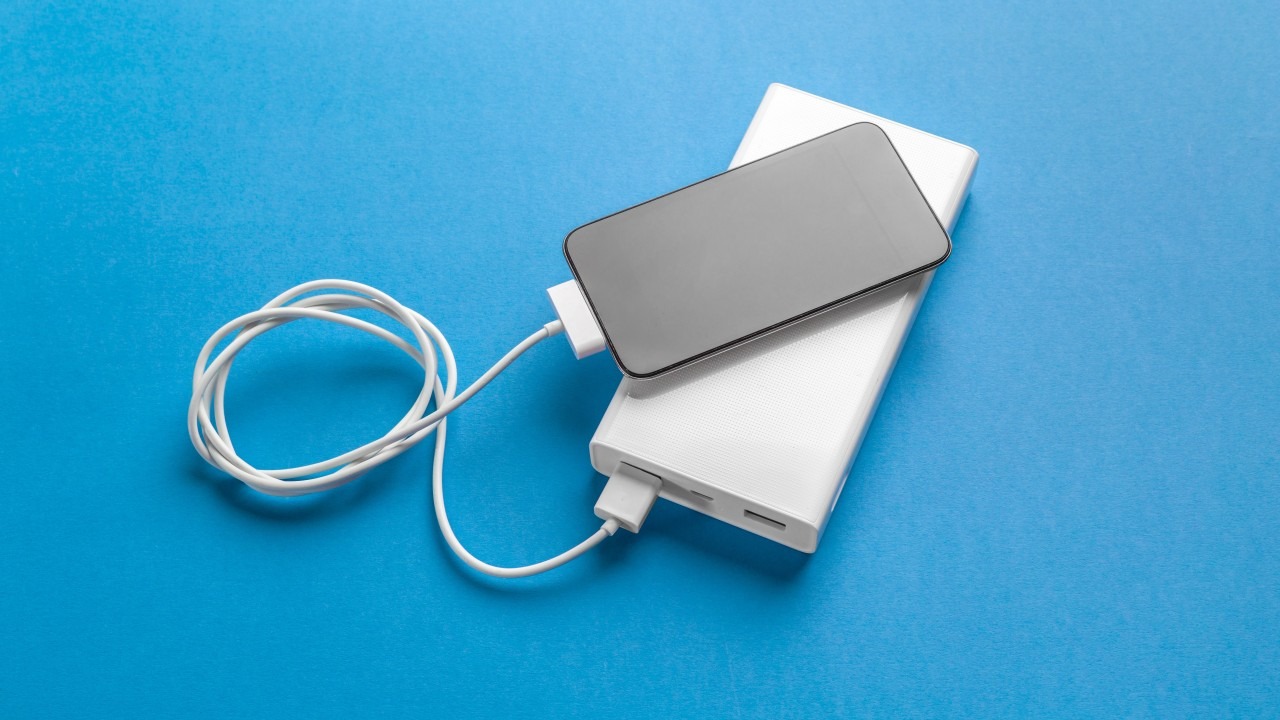
Portable Power in Motion Why the Modern Power Bank Shapes Digital Independence
The portable charger is no longer an accessory that is stored away in case of an emergency, but it is now a sign of digital freedom. During the past ten years of writing and researching consumer technology, I have observed the increasing dependency on mobile devices. Communication, learning, navigation and even financial activities are now done through phones, tablets and wearables. A portable charger in this setting is not a matter of convenience, but rather, it is a matter of being in control of one’s digital life.
Personally, the transformation became evident when working days began to stretch beyond the fixed places. Online meetings, a combination of studying and traveling, and the use of devices became a regular thing. A good portable charger eliminates the stress of seeing the battery percentage decrease at the most crucial times.
Power Bank Technology and the Science Behind Reliability
A power bank can appear to be plain on the surface, yet its functionality is based on advanced internal engineering. The safety and efficiency of energy delivery depends on the quality of battery cells, power regulation chips and thermal management systems. The experimentation of various models over the years showed that consistency is more important than peak output.
Anker has established its brand through this internal reliability. Their designs of power banks focus on the constant current flow and smart power regulation. This will minimize stress on the devices connected and enhance efficiency in charging in general, especially when the user has to charge many devices every day.
Portable Charger Use in Academic and Professional Life
Uninterrupted access to devices is vital to students and academic readers. Power is required by research databases, digital textbooks, note taking applications, and communication platforms. A portable charger helps to work long hours in a concentrated mode without having to rearrange the schedules to find a wall outlet.
The same principle is applicable in the workplace. On conferences or workdays when people have to work together, a power bank will keep them going. Personally, I have been able to avoid interruptions in my workflow when I have a portable charger, whether it is during a presentation or a remote meeting, which supports the idea that it is a productivity tool and not a backup device.
Power Bank Design and Everyday Practicality
Design is a key factor in determining whether a power bank will be a part of everyday life. A heavy or clumsy portable charger is likely to be left behind. Practical design is concerned with balance, grip and form factor where the charger should fit in bags or pockets.
I have observed through prolonged usage that slimmer and well-weighted power banks are more frequently used. This knowledge is frequently applied in the design philosophy of Anker, where the focus is on portability without compromising the durability. This balance will promote frequent usage, which is eventually the gauge of a successful portable charger.
Charging Efficiency and Real-World Performance
Capacity ratings are deceptive unless they are accompanied with efficient energy conversion. A power bank with a large capacity that dissipates a lot of energy when charging could perform poorly than a smaller power bank that is more efficient. The actual performance in the real world is determined by the amount of usable power that is delivered to the device.
Decades of relative experimentation reveal that efficiency has a direct effect on user satisfaction. A reliable portable charger is one that can be relied upon to give consistent outcomes and the user can be able to plan his day with certainty instead of having to guess the number of charges left.
Safety, Longevity, and Device Protection
One of the characteristics of power banks is safety. Badly designed chargers may become hot or provide unreliable power that may cause permanent damage to equipment. The best portable chargers have features like overcharge protection, short circuit protection, and temperature control.
Anker incorporates these safeguards as a matter of course, which is reflected in the prolonged use. The devices charge easily and the power bank does not get hot even when used in long sessions. In the long run, such reliability can help improve the battery life of the charger and the devices to which it is connected.
Portable Charger as a Long-Term Investment
A portable charger is not a disposable device but a long-term investment. The characteristics of durability, performance stability, and safety define the ability of a power bank to be useful after several years of use. Selecting a brand that is trusted lowers the rate of replacement and the cost in the long run.
Personally, it is worth spending money on a well constructed power bank because it will save frustration and ensure a reliable operation. The charger is an unspoken companion in everyday life, which performs its functions without requiring any attention.
Conclusion
The portable charger is now a part and parcel of contemporary digital life. An effective power bank will facilitate learning, productivity, and mobility without disrupting daily flow. Using ten years of experience in professional writing and practical experience, it is evident that such brands as Anker are successful because they are not driven by marketing hype but real-world needs. A reliable portable charger is not only convenient to students, professionals and anyone who has to operate in a device-driven world, it is essential to staying connected and in control.